Why circular waste recovery matters for regenerative agriculture
How CorpusFeed turns organic waste recovery into soil value, circular inputs, and practical regenerative agriculture.
Guide
CF
Why circular waste recovery matters for regenerative agriculture
Regenerative agriculture needs more than good intentions. It needs practical systems that keep nutrients in productive use, reduce pressure on waste disposal, and support farms with inputs that can improve soil resilience over time.
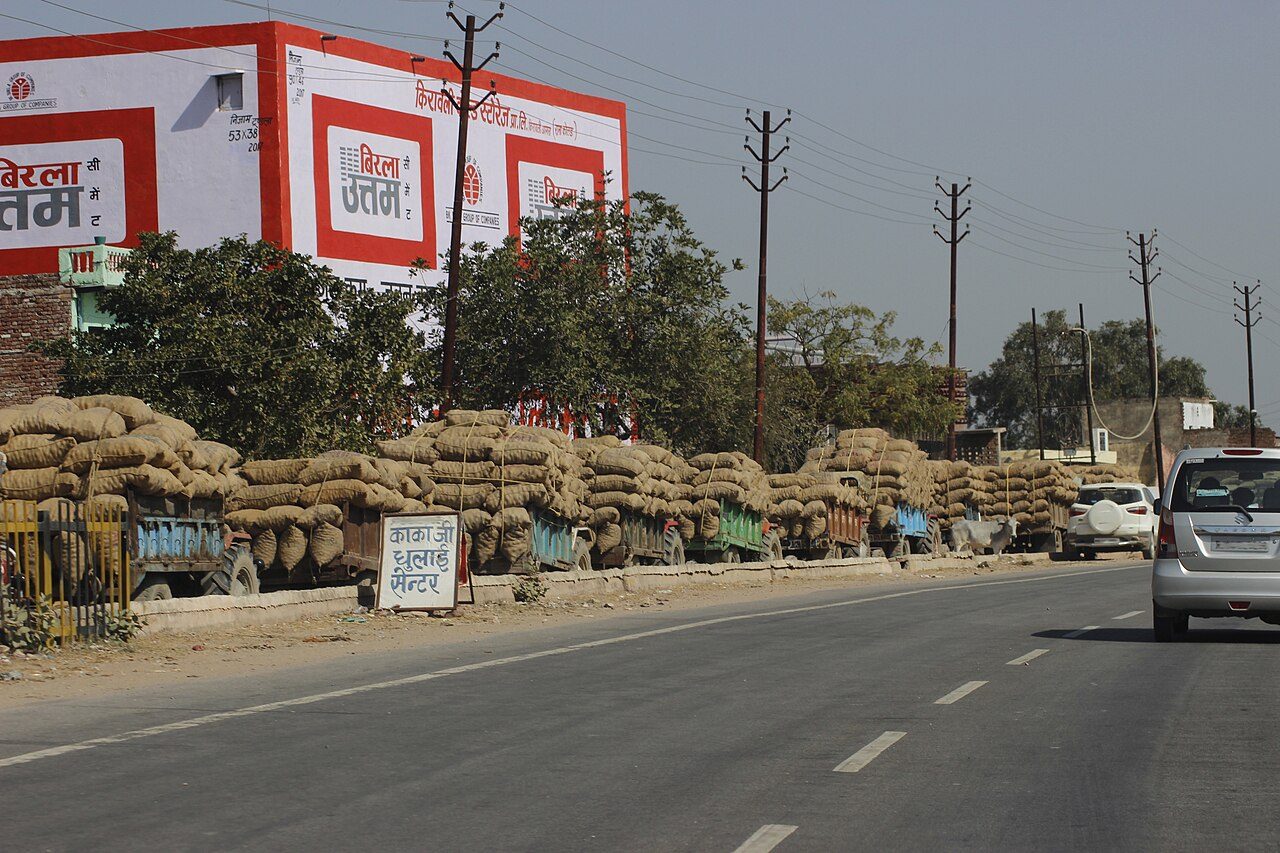
our circular model treats suitable organic waste streams as a resource. Farm and market waste can be recovered, sorted, and processed into useful agricultural inputs instead of being left to create disposal pressure.
The goal is a tighter production loop: recover organic material, process it through responsible systems, and return value to farming through soil enrichment, input production, and climate-smart crop management.
From waste stream to farm input
Organic material has value when it is handled with discipline. Recovery starts with identifying suitable streams, separating them from unsuitable material, and moving them into processing pathways that match agricultural use.
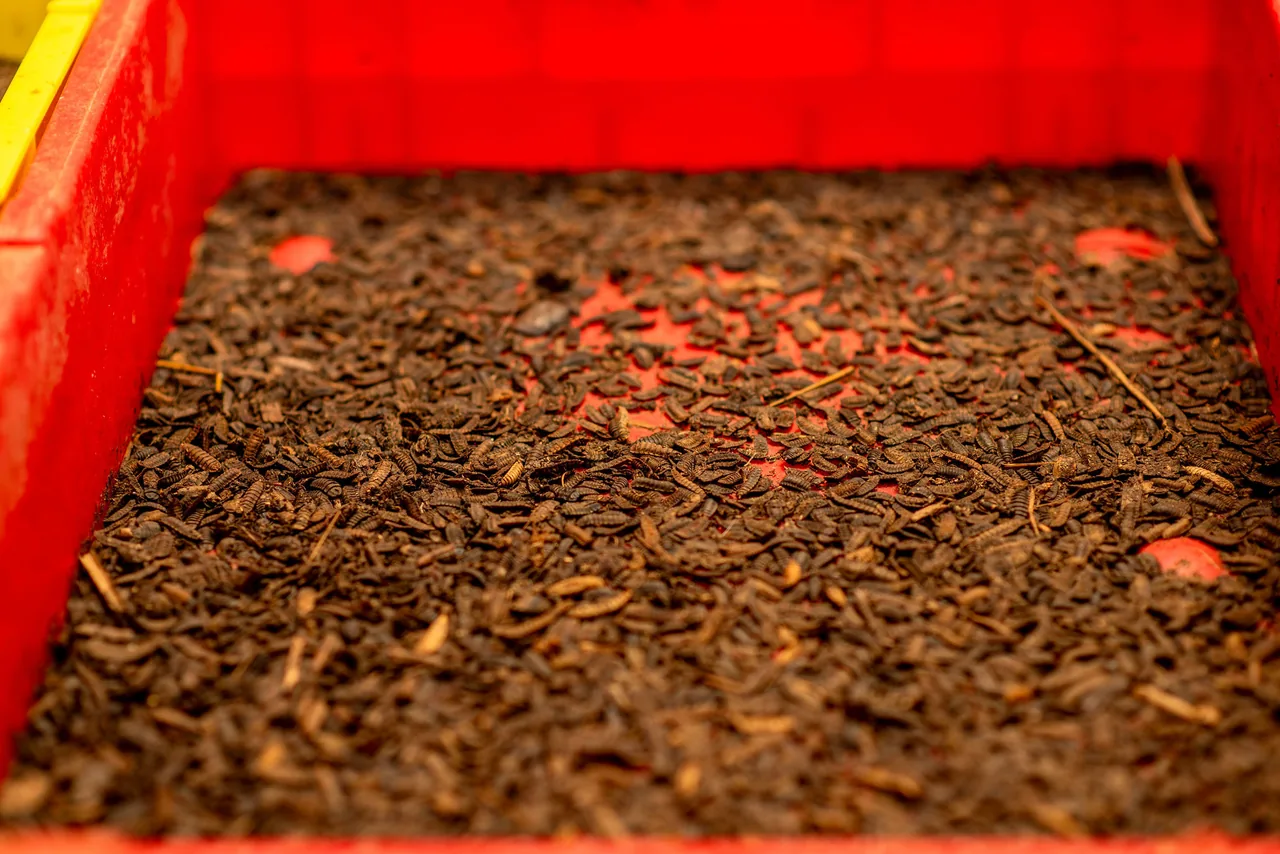
Our waste recovery pillar includes frass, insect protein through black soldier fly systems, compost, and vermicompost. Each pathway helps convert organic material into a more useful form for farming systems.
- Frass and compost support soil-focused production conversations.
- BSF systems create circular value from suitable organic material.
- Vermicompost helps position waste recovery as part of regenerative input production.
Why this matters for growers
Farmers need dependable inputs and production practices that protect the long-term health of their soils. Circular input production can help reduce waste pressure while supporting a more resilient farming base.
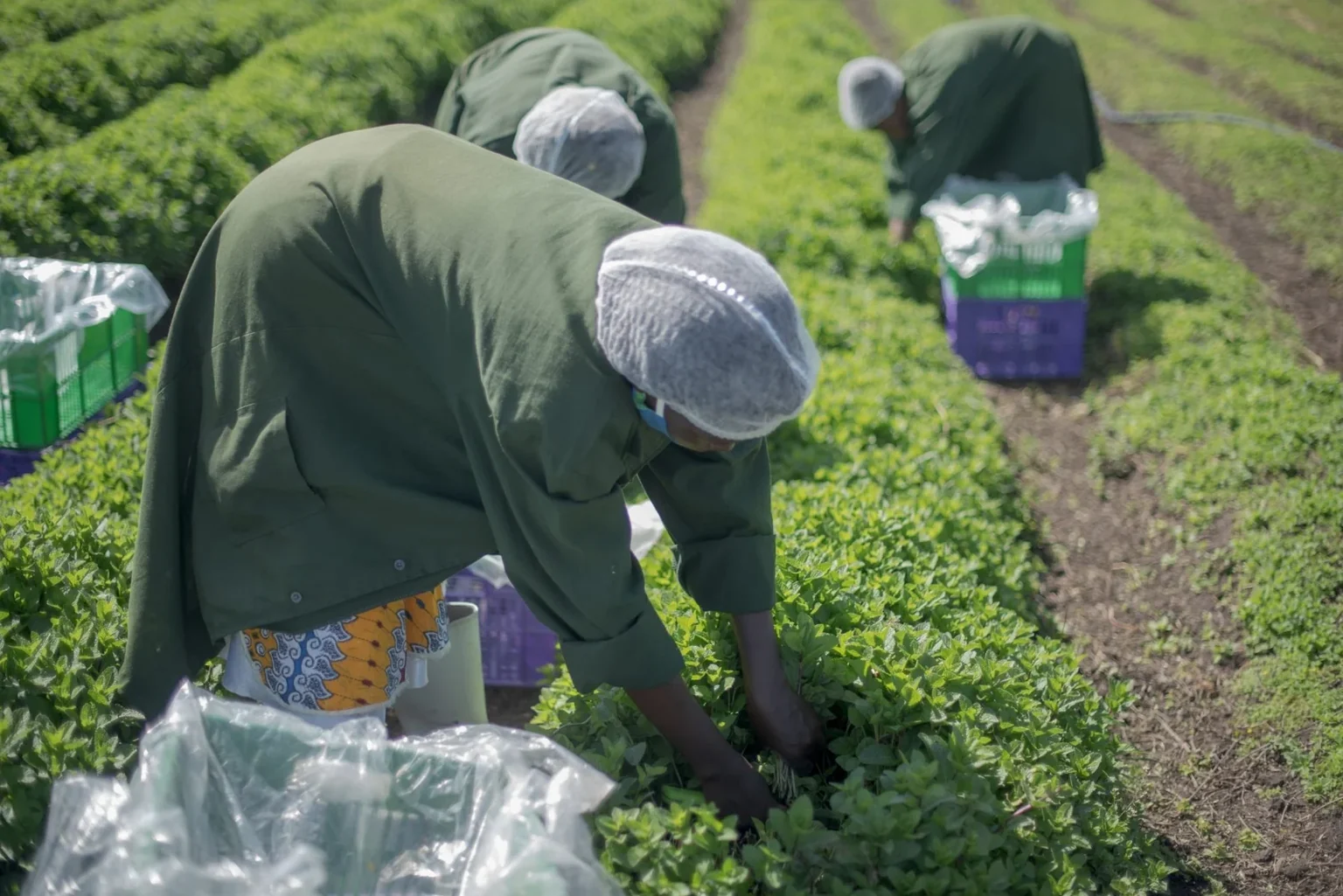
For CorpusFeed, waste recovery is not separate from herb production. It supports the wider system behind premium herbs, farmer aggregation, and climate-smart agricultural practice.
- Cleaner organic waste handling can reduce pressure on farms, markets, and municipalities.
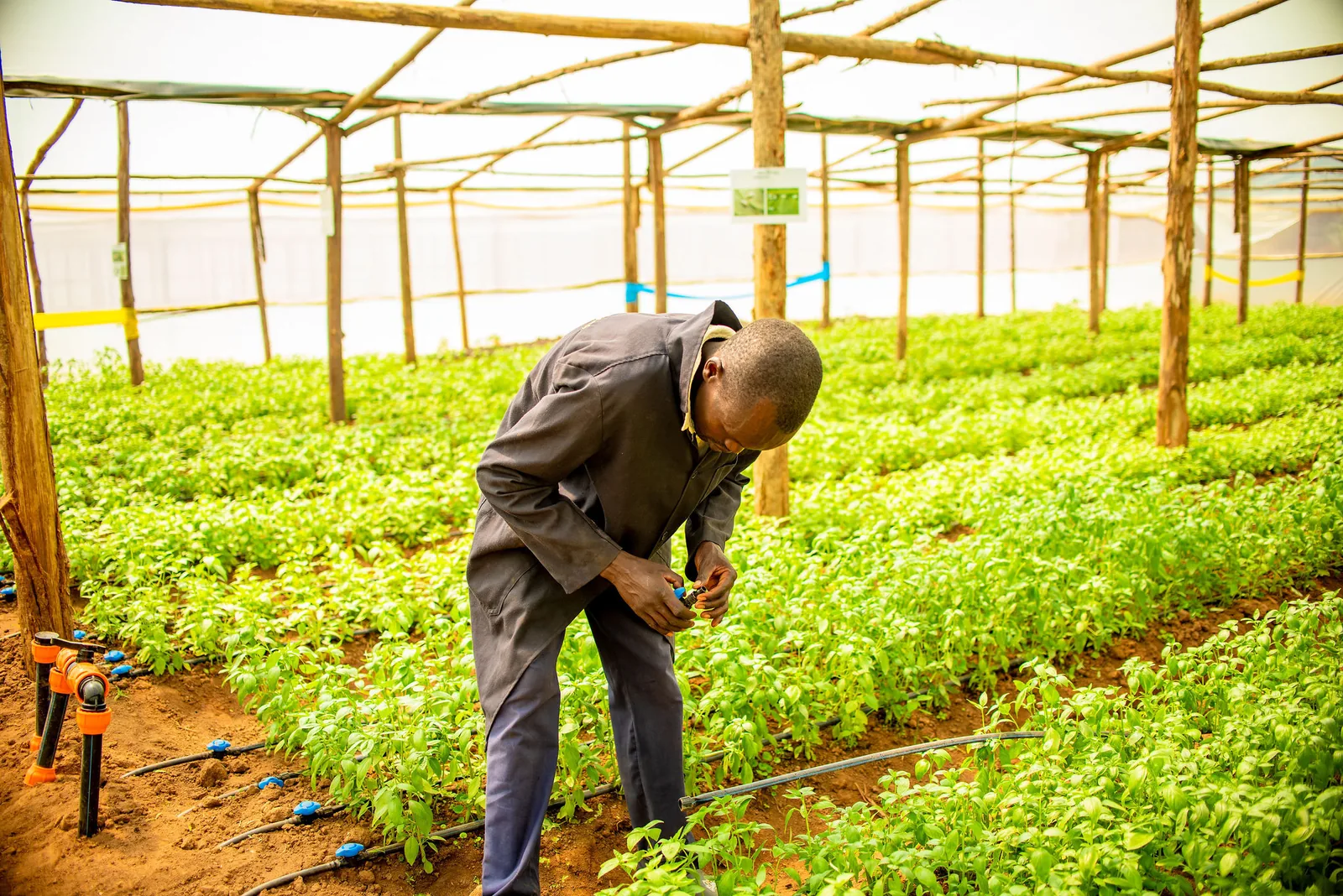
- Soil enrichment supports the production base behind herbs and vegetables.
- Circular recovery gives partners a concrete way to participate in low-waste agriculture.
What partners should know
A good waste recovery conversation begins with the stream itself: source, volume, consistency, contamination risk, and timing. Not every stream is suitable, and suitability has to be reviewed before any partnership is assumed.
we can use supplier conversations to understand whether a farm, market, or organization has organic material that fits current and future recovery needs.
Key takeaways
- Circular agriculture is strongest when waste recovery is tied to real production needs.
- we link organic recovery with soil health, herb production, and farmer support.
- Waste providers should share stream type, location, volume, timing, and handling practices.
What this means in practice
- Circular recovery starts with suitable, clean, and consistent organic streams.
- Recovered material can support frass, compost, vermicompost, and BSF input pathways.
- The strongest partnerships connect waste handling with measurable agricultural value.
Next step
View Waste Recovery
Discuss a circular waste recovery opportunity.
Talk to us if your farm, market, or organization has suitable organic waste streams that could support circular agriculture.