Why Cold-Chain Readiness Matters for Export-Grade Herbs
Why fresh herb quality depends on harvest handling, pre-cooling, packing discipline, traceability, and cold-chain readiness before export.
Guide
CF
Why Cold-Chain Readiness Matters for Export-Grade Herbs
Fresh herbs are judged by what happens after harvest as much as by how they are grown. For export buyers, quality is not only about flavour, appearance, and variety. It is also about how quickly herbs are cooled, sorted, packed, documented, and moved through the supply chain.
A Kenyan herb export case shared by InspiraFarms shows why cold-chain readiness is becoming a serious advantage for fresh produce exporters. Better pre-cooling can help protect shelf life, reduce rejection risk, and give buyers more confidence in repeat supply.
For CorpusFeed, this lesson matters directly. As we build premium culinary herb supply from Eldoret for local buyers and export conversations in European and Middle Eastern markets, cold-chain thinking is part of the quality conversation from the beginning.
What Kenya's herb export sector is teaching
Kenya's fresh herb sector is competing in markets where buyers expect consistent arrival quality. The lesson from the wider sector is clear: exporters cannot treat cooling, packing, and dispatch as afterthoughts.
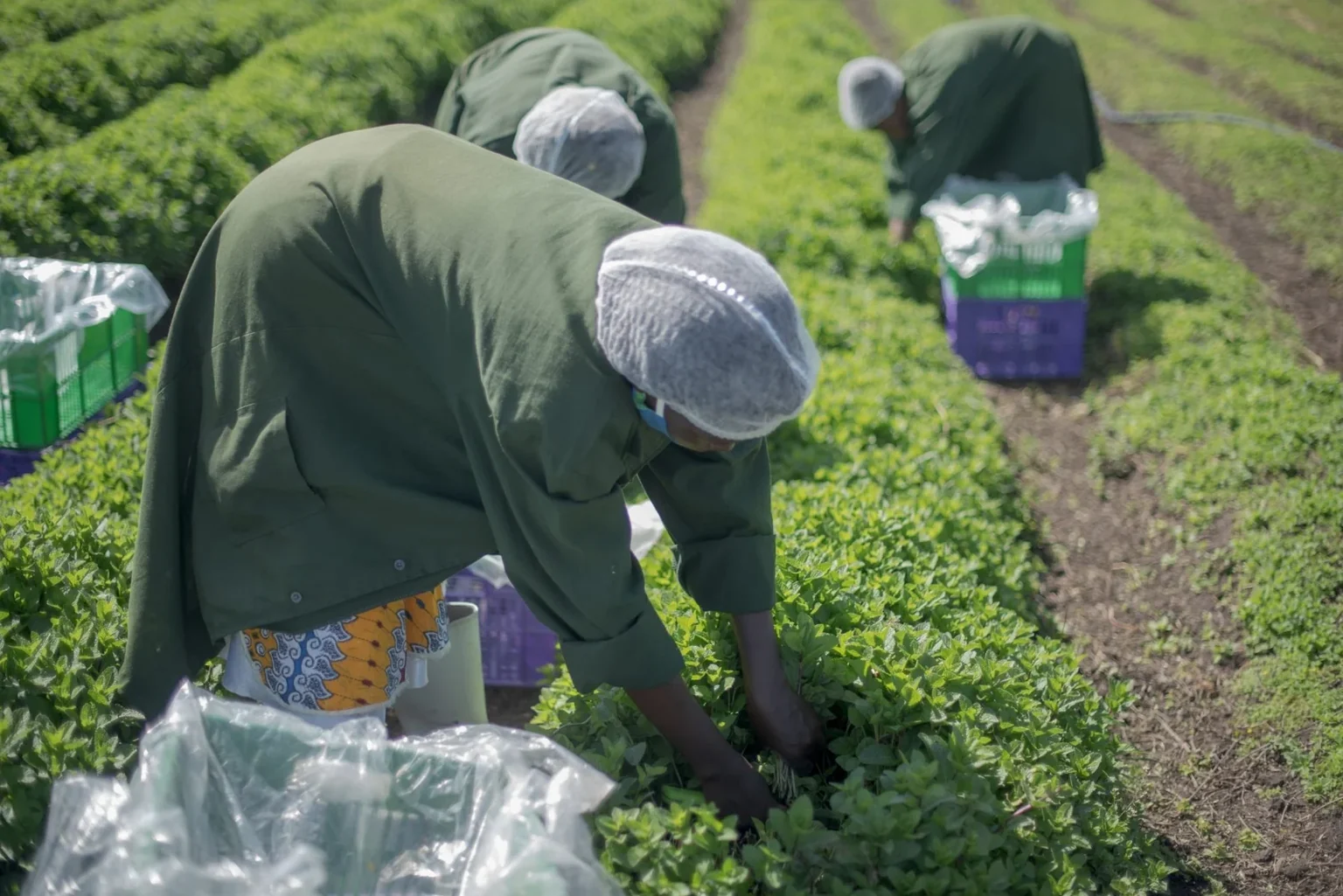
On-farm cooling and pre-cooling are becoming important because herbs are delicate. Once field heat, moisture stress, or rough handling reduce quality, the product can lose value before it reaches the airport.
- Export buyers judge reliability by repeat arrival quality.
- Pre-cooling helps protect freshness before packing and dispatch.
- Cold-chain investment can support stronger customer confidence over time.
Why pre-cooling matters
Basil, chives, mint, rosemary, thyme, and similar herbs can lose buyer value quickly if field heat is not removed and handling is not disciplined. The faster herbs move from harvest into shade, sorting, pre-cooling, packing, and dispatch, the better the chance of protecting appearance, aroma, and shelf life.
Pre-cooling is not only a technical step. It is a commercial discipline. It helps a supplier reduce avoidable quality loss, plan dispatch windows more carefully, and communicate with buyers from a stronger position.
What buyers care about
Export buyers want confidence that a supplier understands the full journey of the product. That includes production planning, clean harvesting, sorting and grading, packaging, documentation, temperature discipline, and honest communication about volumes and timing.
A good supplier does not overpromise. It shares realistic availability, explains handling capacity, and keeps quality expectations central to every order conversation.
- Traceability from farm or supplier group to dispatch.
- Clean handling, sorting, and packing discipline.
- Reliable volumes and honest supply timelines.
- Cold-chain and temperature-control planning where required.
Our position
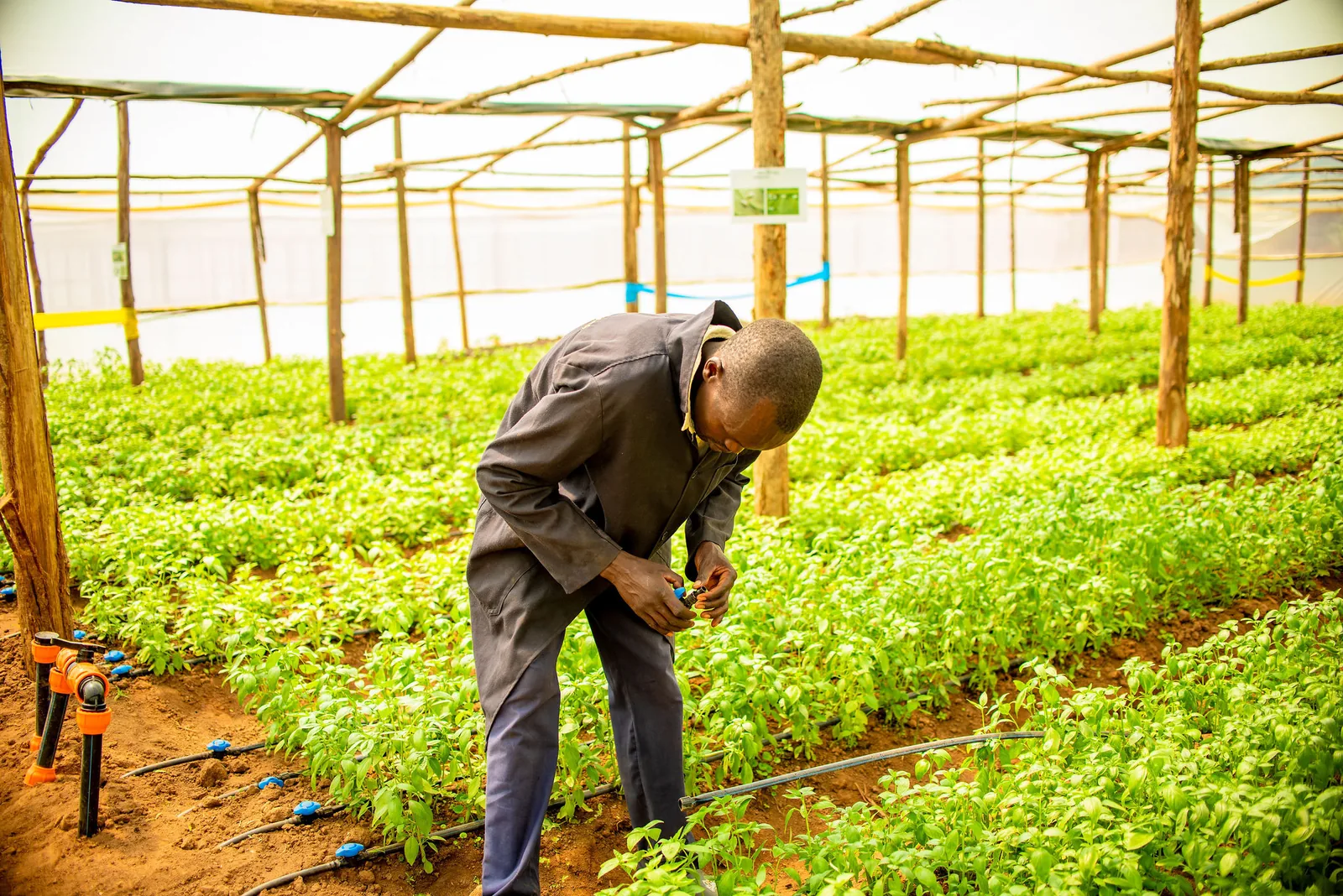
We are building export-ready herb supply from Eldoret, starting with basil and chives. The business is also developing a broader herb portfolio, farmer-linked supply pathways, and regenerative production systems that can support stronger buyer conversations over time.
Cold-chain readiness sits inside that wider export-readiness discipline. It connects production quality with handling, traceability, buyer communication, packaging decisions, and logistics partnerships.
Key takeaways
- Good herbs become export-grade through disciplined post-harvest handling.
- Cold-chain readiness is a buyer-confidence issue, not only a logistics issue.
- we can use this sector lesson to strengthen conversations with buyers, exporters, logistics partners, and farmer suppliers.
Industry reference
This article draws on a Kenyan herb export cold-chain example published by InspiraFarms. we use it as a sector lesson, not as a claim that CorpusFeed has the same facility.
What this means in practice
- Fresh herb quality is protected before the product reaches the airport.
- Pre-cooling can reduce avoidable quality loss and support longer shelf-life conversations.
- Buyers care about traceability, handling discipline, packaging, timing, and honest communication.
- we should frame cold-chain readiness as part of its export-quality pathway, not as an unsupported facility claim.
Next step
Discuss Herb Supply
Looking for premium culinary herbs from Kenya?
Talk to us at CorpusFeed about basil, chives, and future herb supply conversations for local and export markets.