What buyers look for in premium culinary herb supply
A buyer-facing guide to herb market readiness, traceability, quality, communication, and export supply expectations.
Guide
CF
What buyers look for in premium culinary herb supply
Premium culinary herb buyers are not only looking for a crop list. They want confidence that a supplier understands quality, harvest timing, cold-chain thinking, traceability, documentation, and communication before a shipment is discussed.
our buyer-facing model is built around export-grade herbs, local market readiness, and a regenerative system behind production. The business currently centers production on basil and chives while maintaining a broader herb portfolio for future supply conversations.
For domestic and international buyers, readiness is about trust. A supplier must be clear about what is available, how it is handled, and whether production can meet the buyer's timing and quality expectations.
Quality starts before harvest
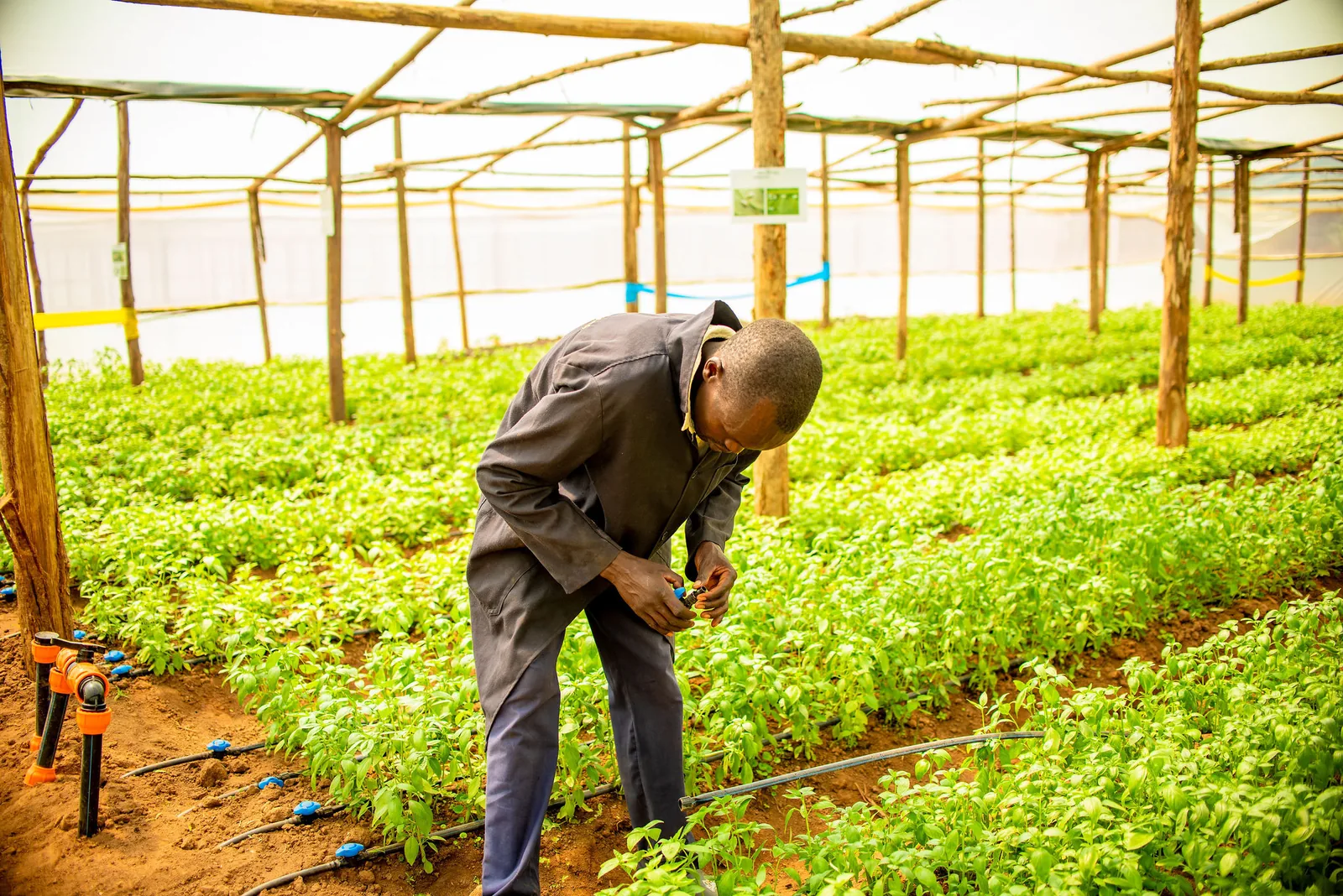
Herb quality is shaped by decisions made before cutting begins. Production planning, crop health, irrigation, field hygiene, and harvest timing all influence the condition of herbs when they reach handling and packing.
Buyers need suppliers who can communicate realistic availability rather than promising volume that production cannot support. This is especially important for export conversations where timing, shelf life, and documentation matter.
- Clear production calendars help buyers plan orders with less uncertainty.
- Consistent crop handling protects aroma, appearance, and shelf life.
- Honest availability updates build more durable buyer relationships.
Traceability and handling discipline
Traceability helps buyers understand where herbs came from and how they moved through the supply chain. It also supports internal quality checks and better communication when supply issues arise.
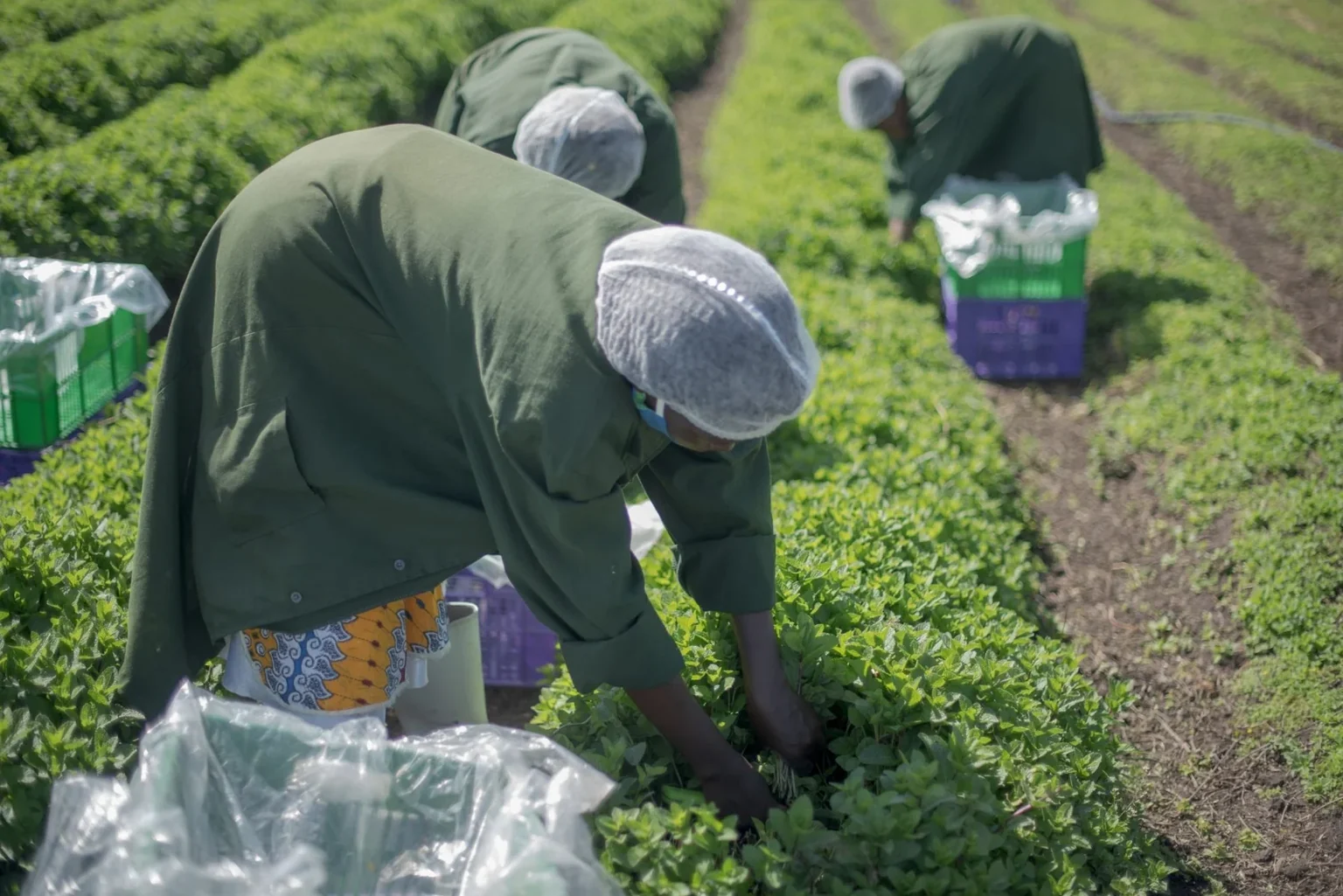
Handling discipline matters from harvest through dispatch. Premium herbs are sensitive products, so buyer confidence depends on cleanliness, sorting, packing discipline, and cold-chain readiness where required.
- Batch-level thinking makes supply easier to review and communicate.
- Sorting and grading reduce surprises for buyers and receiving teams.
- Packaging and dispatch discussions should match the buyer's market requirements.
The broader herb portfolio
Current CorpusFeed production focuses on basil and chives. The broader herb portfolio includes rosemary, tarragon, sage, marjoram, oregano, parsley, mint, thyme, dill, lovage, chervil, lemon balm, sorrel, and peppermint.
This wider portfolio gives buyers and partners room to discuss future demand while keeping current conversations grounded in actual production and supply readiness.
Key takeaways
- Premium herb supply depends on consistency, not only crop variety.
- Basil and chives are the current production focus for CorpusFeed.
- Broader herb conversations should be tied to future planning and buyer requirements.
What this means in practice
- Buyers need clarity on availability, volumes, timing, and handling.
- Traceability and quality discipline are part of export readiness.
- A credible supplier communicates constraints early instead of overpromising.
- The sourcing story should connect production quality with regenerative practice.
Next step
Contact Us
Talk to us at CorpusFeed about premium herb supply.
Share your buyer requirements, target herbs, timing, and quality expectations so we can review fit against current and future supply.